samsung note7 sets the stage for this enthralling narrative, offering readers a glimpse into a story that is rich in detail and brimming with originality from the outset. Launched amidst great anticipation, the Samsung Note7 was celebrated for its sophisticated design and cutting-edge features, appealing to tech enthusiasts and professionals alike. However, the excitement surrounding its release quickly turned into a cautionary tale as safety concerns began to overshadow its groundbreaking innovations, challenging Samsung’s reputation and altering the landscape of the smartphone industry.
Overview of Samsung Note7
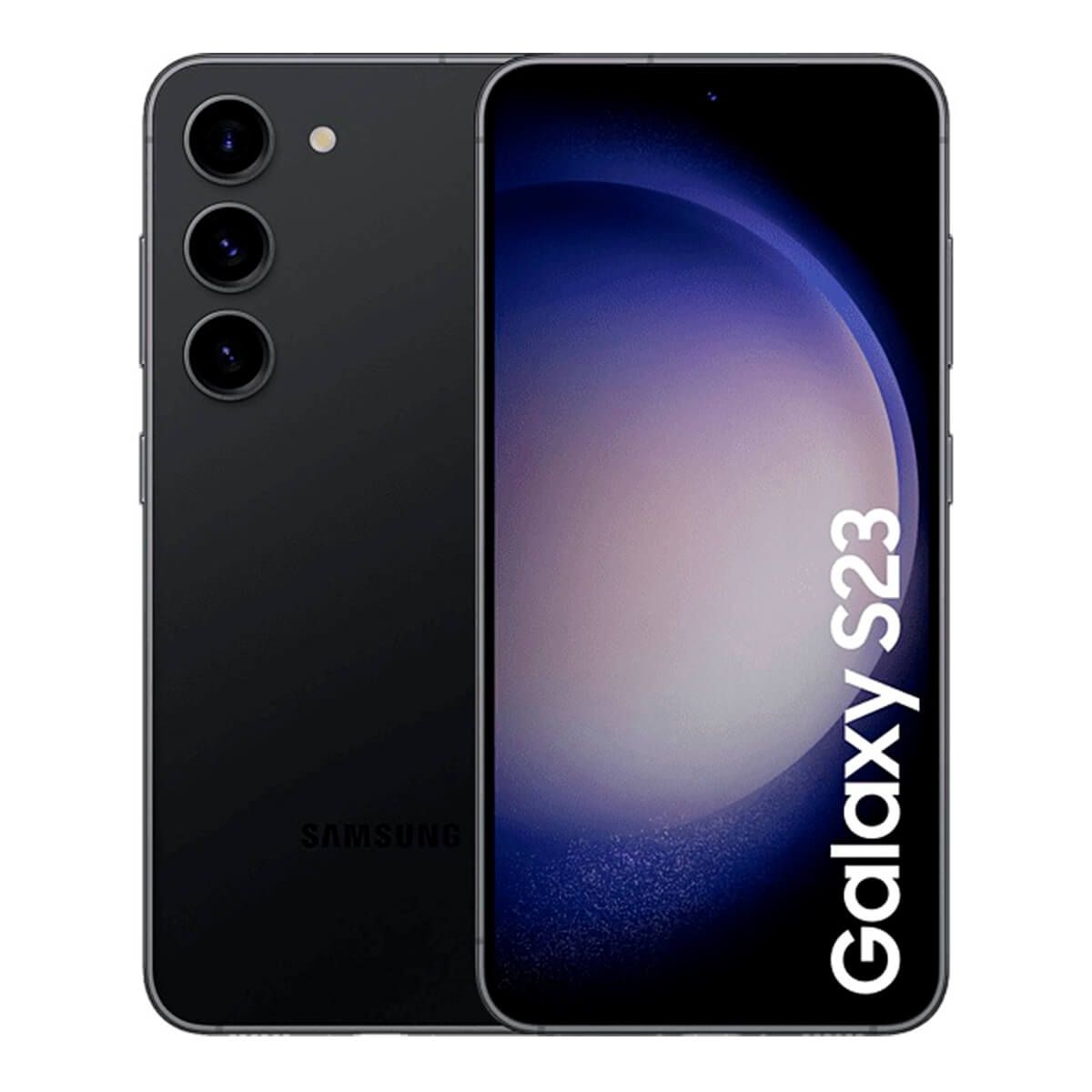
The Samsung Note7 was a flagship smartphone launched in August 2016, known for its high-end features, sleek design, and innovative technology. It represented a significant leap in the Galaxy Note series, aiming to capture the attention of tech enthusiasts and professionals alike. The device was anticipated to set new standards in the smartphone market, combining a powerful performance with premium aesthetics.
The design of the Samsung Note7 featured a glass and metal body, contributing to a modern and sophisticated appearance. The device was equipped with a 5.7-inch Super AMOLED display, boasting a resolution of 1440 x 2560 pixels, which delivered vibrant colors and deep contrasts. It was powered by either the Qualcomm Snapdragon 820 or the Exynos 8890 processor, depending on the region, and came with options of 4GB RAM and storage capacities of 64GB, expandable via microSD. The Note7 included a 12MP rear camera with dual-pixel technology, alongside a 5MP front-facing camera, catering to photography enthusiasts. Additionally, its S Pen stylus was enhanced with new features, allowing for more creative interaction with the display.
Launch Timeline and Marketing Strategies, Samsung note7
Samsung’s approach to launching the Note7 was comprehensive, involving a series of strategic pre-launch promotions and post-launch campaigns. The device was officially unveiled on August 2, 2016, during a grand event in New York City, which was live-streamed globally, ensuring maximum reach. The marketing strategy focused on highlighting the Note7’s key features, particularly its enhanced security measures, water resistance, and the innovative S Pen capabilities.
To generate buzz, Samsung utilized a variety of platforms, including social media, influencer partnerships, and traditional media. Key initiatives included:
- Teaser campaigns that gradually revealed features leading up to the launch.
- Exclusive first-look events for influencers and tech reviewers, fostering excitement and anticipation.
- Targeted advertisements showcasing the Note7’s capabilities in professional and creative settings.
- Emphasizing customer engagement through interactive advertising, allowing potential buyers to experience features virtually.
Target Audience and Market Positioning
The Samsung Note7 was strategically positioned to appeal to a specific target audience that included professionals, creatives, and tech-savvy individuals who valued productivity and performance in a smartphone. The device was marketed as an ideal solution for users who needed a versatile device for both work and leisure.
Key aspects of its market positioning included:
- Professional users looking for powerful productivity tools, particularly in business and creative industries.
- Tech enthusiasts who appreciated cutting-edge technology and innovative features.
- Consumers seeking a premium smartphone experience, willing to invest in higher-priced products for superior performance and design.
The Note7 was also positioned to compete directly with other flagship devices from brands like Apple and Google, emphasizing its superior hardware specifications and unique features like the S Pen. This targeted approach not only aimed to boost sales but also sought to reinforce Samsung’s reputation as a leader in the smartphone market.
Safety Concerns and Issues
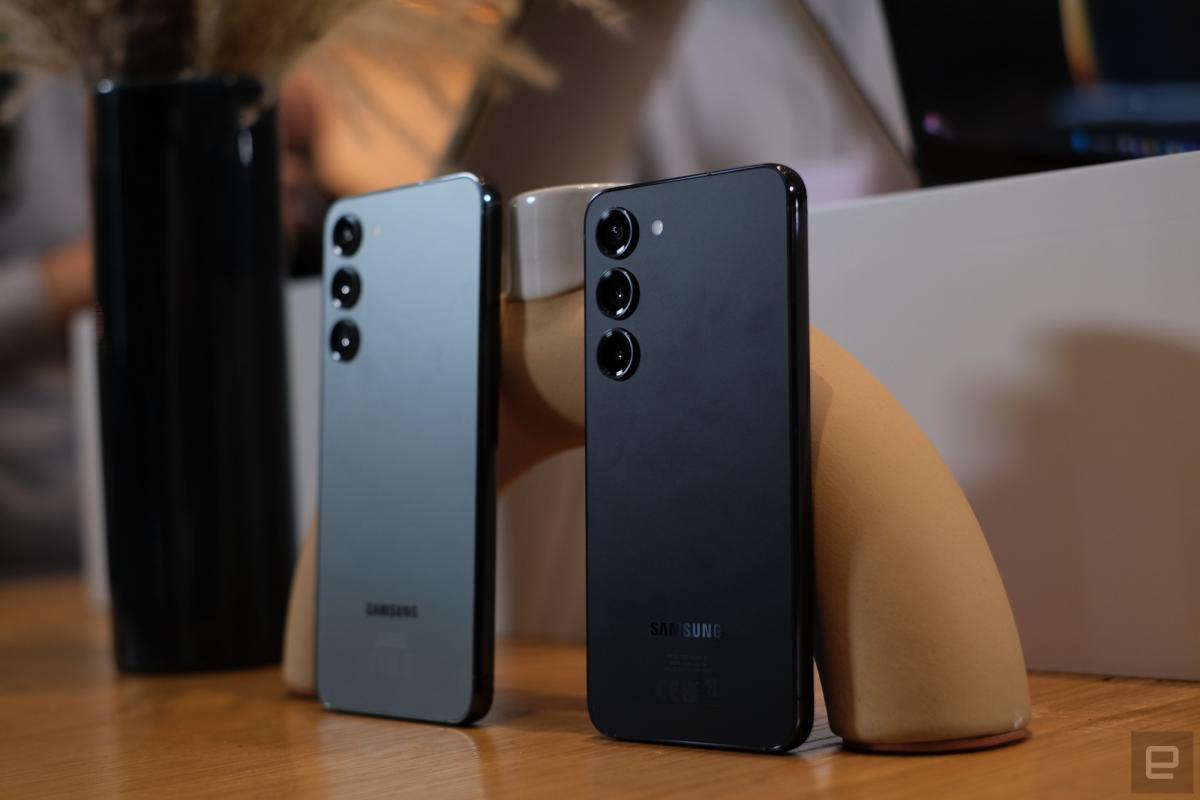
The Samsung Note7 faced significant safety concerns that ultimately led to one of the largest product recalls in consumer electronics history. Primarily, the issues arose from the device’s battery, which was linked to multiple incidents of overheating and combustion. This prompted a worldwide recall, affecting millions of devices and raising alarm among consumers and regulators alike.
The technical failures behind the Note7’s battery problems were complex and multifaceted. Samsung employed lithium-ion batteries, which are known for their high energy density but can be susceptible to faults under certain conditions. The main issues identified involved both design and manufacturing defects. Reports indicated that the design of the batteries was too compact, leading to situations where the separator—a critical component that keeps the positive and negative electrodes apart—could be damaged. This damage resulted in short circuits, which in turn caused overheating and, in some cases, fires or explosions.
Primary Safety Issues Leading to Recalls
The recall of the Samsung Note7 was driven by several critical safety issues that raised serious concerns for users. Below are the primary factors that contributed to this unprecedented recall:
- Multiple reports of the devices catching fire while charging or in use, posing significant risks to users.
- Investigations revealed that some batteries had manufacturing defects, leading to short-circuiting.
- Pressure from consumer safety organizations and regulatory bodies prompted immediate action, as the risks escalated.
- The potential for injuries to users and damage to property increased the urgency of the recall.
Samsung’s brand reputation took a considerable hit as a consequence of the Note7 incidents. The company had previously been celebrated for its innovations and quality, but this crisis led to a decline in consumer trust. The implications of the safety recalls were profound, impacting not just sales but also the overall perception of Samsung as a leading technology brand. The fallout from the Note7 debacle prompted Samsung to reassess its quality control measures and practices, leading to enhanced safety protocols and a renewed focus on consumer safety in their future products.
Technical Reasons Behind Battery Failures
Understanding the technical reasons for the battery failures is key to grasping the gravity of the situation. The main factors include:
- Design flaws in the battery architecture that increased the likelihood of internal short circuits.
- High manufacturing tolerances that did not allow for adequate margins of safety, crucial for lithium-ion technology.
- Materials used in the battery construction that may have contributed to thermal runaway incidents.
- Inadequate testing procedures that failed to identify potential failure points during the battery’s life cycle.
These technical shortcomings not only led to the immediate safety concerns but also resulted in long-term ramifications for Samsung’s engineering practices and their approach to battery technology.
Implications on Brand Reputation and Consumer Trust
The ramifications of the Note7 recalls extended far beyond immediate consumer safety concerns. Samsung’s brand reputation suffered significantly, as the company’s image as a reliable manufacturer was tarnished. Key implications included:
- A notable decline in consumer confidence, as customers began to question the safety of Samsung’s newer and existing products.
- Increased scrutiny from regulatory bodies, leading to stricter oversight of product safety standards.
- A loss of market share to competitors who capitalized on the opportunity to promote themselves as safer alternatives.
- Financial repercussions due to the costs associated with recalls, legal fees, and damage to brand equity.
The Note7 situation serves as a cautionary tale for manufacturers about the critical importance of safety, quality control, and consumer trust in the technology sector.
Impact on the Smartphone Market: Samsung Note7
The Samsung Note7 incident marked a pivotal moment in the smartphone industry, triggering a cascade of effects that rippled through the market. The fallout from the Note7’s safety concerns not only influenced Samsung’s market position but also sent shockwaves through competitors and transformed consumer behavior. This incident reshaped industry regulations, ultimately leading to more stringent safety standards in smartphone manufacturing.
Effects on Competitors in the Smartphone Market
The repercussions of the Note7 crisis were felt most acutely by Samsung’s competitors. As the company faced backlash and declining consumer trust, rival brands seized the opportunity to enhance their market positions. Key effects included:
- Increased Market Share for Competitors: Brands such as Apple and Huawei capitalized on Samsung’s misstep, attracting consumers who were disillusioned with the Note7. For instance, Apple’s iPhone sales saw a notable increase during the Note7’s recall phase.
- Heightened Marketing Campaigns: Competitors intensified their marketing efforts to emphasize safety and reliability in their products. Companies like OnePlus and LG took to advertising campaigns highlighting their devices’ safety features, thus gaining traction among cautious consumers.
- Innovation and Feature Enhancement: The incident prompted brands to innovate more rapidly. Companies began adding advanced safety features to their devices, such as enhanced battery management systems and rigorous testing protocols, to distinguish themselves from Samsung’s former flagship.
Changes in Consumer Behavior Regarding Smartphone Purchases
Post-Note7, consumer behavior experienced a significant shift. The incident raised awareness about smartphone safety and reliability, leading to cautious purchasing patterns among users. Relevant changes included:
- Increased Preference for Established Brands: Consumers gravitated towards brands with a strong reputation for safety and quality, often opting for products from companies like Apple and Google, which maintained a history of fewer safety incidents.
- Heightened Scrutiny of Safety Features: Buyers began actively seeking information about battery safety and product testing standards before making a purchase. Reviews and consumer reports focusing on safety became pivotal in influencing buying decisions.
- Growing Demand for Transparency: Consumers started favoring brands that openly communicated about their manufacturing processes and safety measures. This shift pushed companies to be more transparent about how their devices were developed and tested.
Influence on Industry Regulations and Safety Standards
The Note7 incident served as a wake-up call for the entire smartphone industry, leading to significant changes in regulations and safety standards. Key developments included:
- Establishment of Stricter Safety Protocols: Regulatory bodies implemented more rigorous testing and certification processes for lithium-ion batteries. Manufacturers were required to comply with enhanced safety standards that covered everything from design to production.
- Increased Industry Collaboration: Companies began collaborating more closely with regulatory organizations to develop best practices. This collective effort aimed to enhance consumer safety and reduce the risk of similar incidents in the future.
- Ongoing Monitoring and Compliance: Regulatory authorities established continuous monitoring systems for new products, ensuring that safety standards were consistently met. Compliance checks became more frequent to guarantee that all manufacturers adhered to the updated regulations.
Lessons Learned and Future Innovations
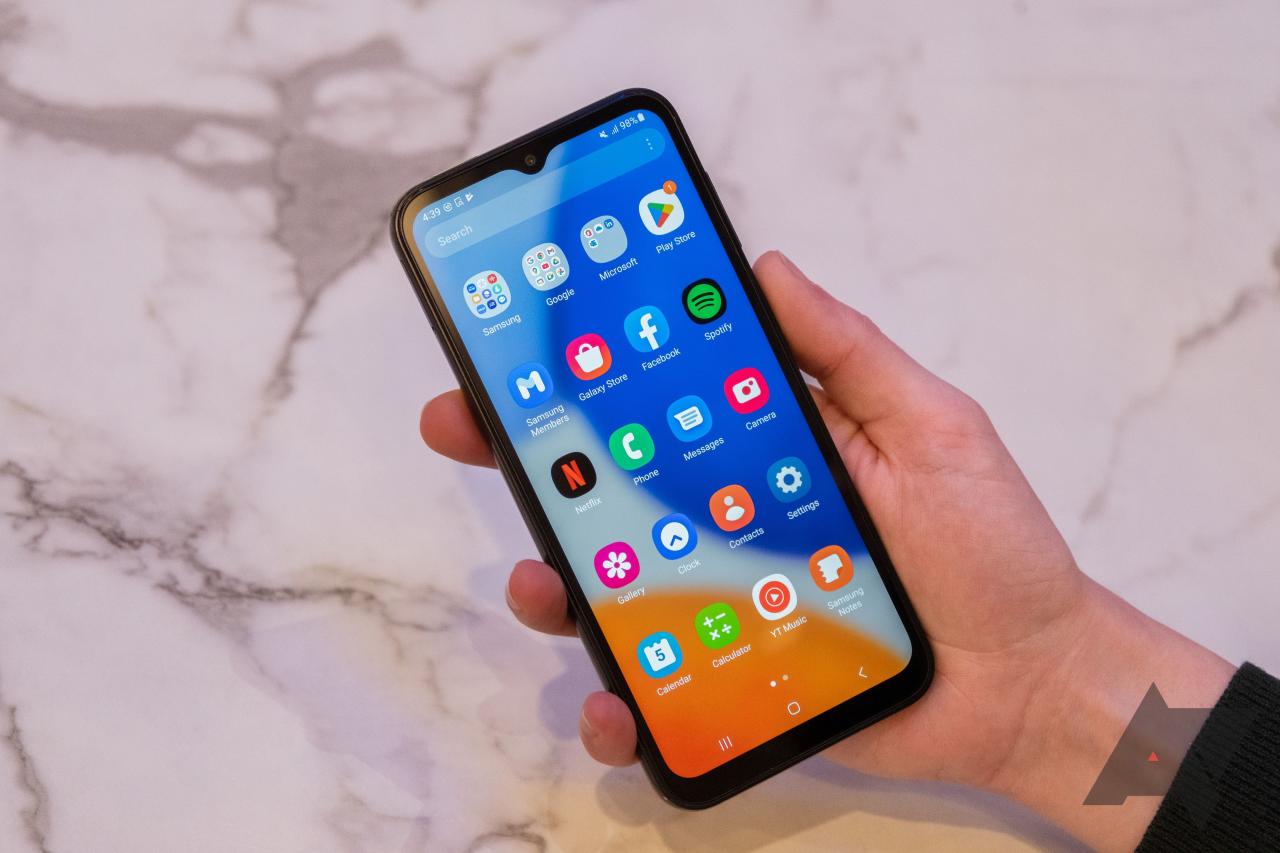
The Samsung Galaxy Note7 incident was a pivotal moment in smartphone history, prompting the company to reassess its approach to product safety and innovation. Following the recall of the Note7 due to battery malfunctions, Samsung implemented a series of stringent measures to enhance the safety and reliability of its devices, ensuring that such an incident would not be repeated. These measures have shaped the company’s future products and established new benchmarks in the industry.
Improvements in Product Safety Procedures
In response to the Note7 crisis, Samsung undertook comprehensive reviews of its manufacturing processes and safety protocols. This included the creation of a new battery safety check system.
- Introduction of an 8-Point Battery Safety Check: This rigorous evaluation process includes tests for durability, electrical tests, and a visual inspection to prevent any potential faults.
- Collaboration with External Experts: Samsung enlisted the help of leading safety organizations to conduct independent investigations and validate their safety measures.
- Enhanced Quality Control: The company established a more robust quality assurance framework, ensuring that every component meets stringent safety standards before being used in production.
These steps not only aimed at restoring consumer confidence but also underscored Samsung’s commitment to safety across its entire product line.
Innovations in Subsequent Samsung Devices
In the aftermath of the Note7 incident, Samsung introduced several new technologies in its subsequent products, showcasing a dedication to innovation while prioritizing user safety.
- Accurate Battery Management Systems: New devices feature advanced battery management software that optimizes charging rates and monitors battery performance in real-time.
- Improved Heat Management: Enhanced thermal management technology was developed to prevent overheating, including better heat dissipation materials and designs.
- Innovative Materials: The use of more resilient materials in smartphone construction aims to minimize damage during drops or accidents, further ensuring device longevity and safety.
These innovations have not only elevated the functionality of Samsung devices but have also positioned the brand as a leader in safety and technology.
Consumer Expectations and Industry Standards Evolution
The Note7 incident resulted in a significant shift in consumer expectations and industry standards. Prior to this event, consumers often prioritized features like design and performance over safety. However, the crisis prompted a fundamental change in how customers evaluate smartphones.
- Increased Demand for Transparency: Consumers now expect manufacturers to disclose detailed information regarding battery safety and product testing processes, fostering trust through transparency.
- Heightened Focus on Safety Certifications: Certification from recognized safety organizations has become a key purchase consideration for consumers, reflecting a demand for proven reliability.
- Shift in Industry Norms: Other manufacturers began adopting more rigorous safety measures and testing protocols in response to the new consumer expectations set by the Note7 incident.
This evolution illustrates a broader trend in the smartphone industry, where safety has become as critical a feature as performance and design, reshaping the market landscape for years to come.
General Inquiries
What were the main features of the samsung note7?
The samsung note7 featured a 5.7-inch QHD display, S Pen functionality, and a dual-edge design, making it a flagship device for Samsung.
When was the samsung note7 launched?
The samsung note7 was officially launched on August 19, 2016.
What caused the battery issues in the samsung note7?
The battery failures were primarily due to manufacturing defects that led to overheating and combustion.
How did the samsung note7 affect consumer behavior?
Following the incidents, many consumers became more cautious about smartphone safety and battery quality, impacting their purchasing decisions.
What measures did Samsung take after the note7 incident?
Samsung implemented stricter battery safety checks and introduced an 8-point battery safety system in subsequent devices.
The Samsung Galaxy Note 7 made waves with its innovative features and sleek design, but it was marred by safety issues that led to its recall. Despite its short-lived presence, the Note 7 set a standard for future devices in the phablet category, emphasizing the importance of user safety alongside advanced technology.
Meanwhile, the Samsung Galaxy S 4 was a game-changer in the smartphone market, boasting impressive specifications and user-friendly features. It offered a glimpse into the future of mobile technology, paving the way for subsequent Galaxy models that continually pushed the boundaries of performance and design.