samsung galaxy s ii stands as a remarkable milestone in the evolution of smartphones, captivating users with its innovative features and sleek design. Launched in 2011, this device combined cutting-edge technology with user-friendly functionality, setting a new standard in the mobile industry. Its impressive specifications and unique offerings distinguished it from competitors, making it a favorite among tech enthusiasts and everyday users alike.
With a vivid display, powerful performance, and a stylish exterior, the Samsung Galaxy S II made a significant impact during its time. In this exploration, we will dive deeper into its key features, user experiences, technical performance, and the software journey that shaped its legacy.
Features of Samsung Galaxy S II
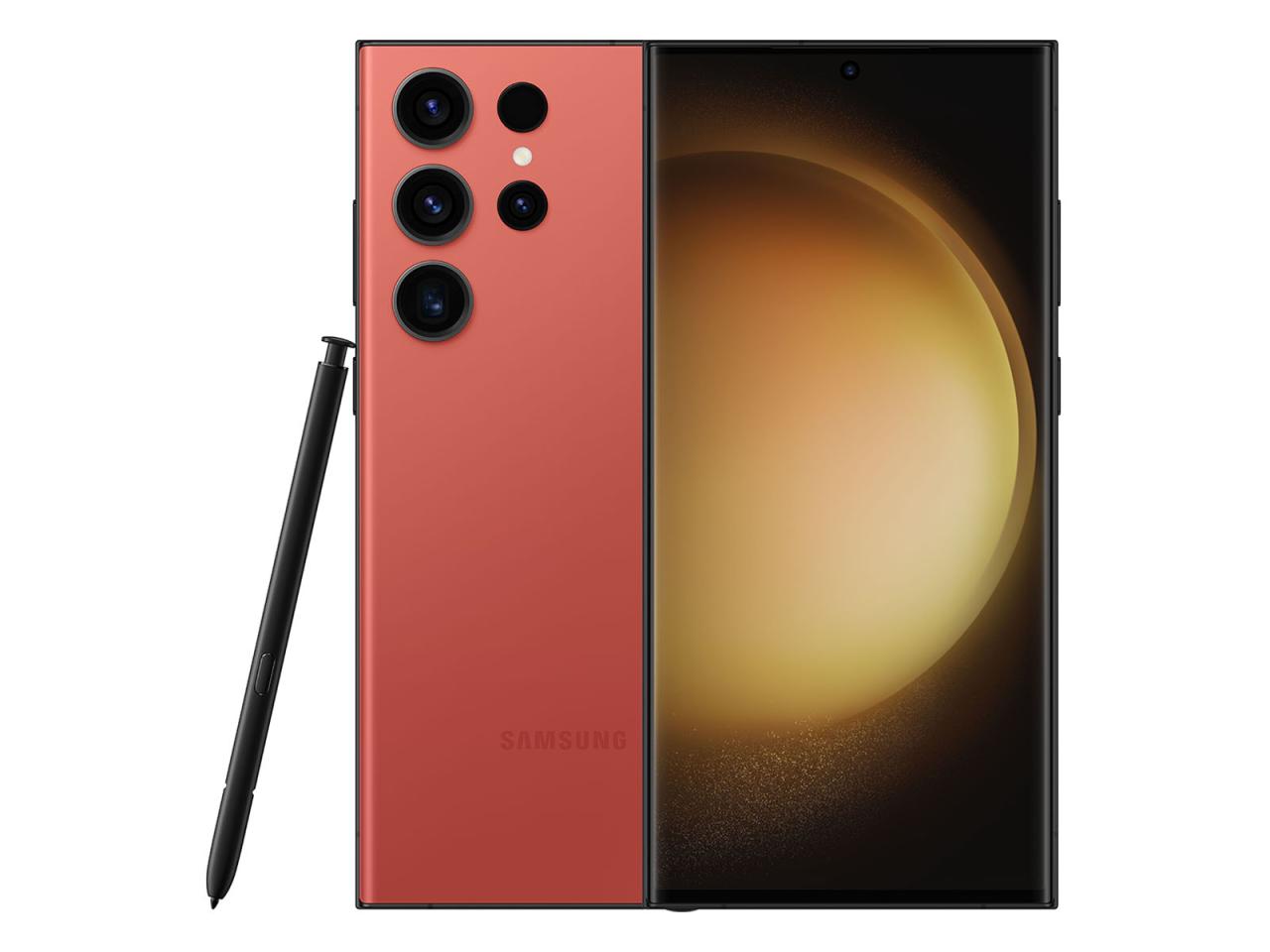
The Samsung Galaxy S II was a groundbreaking smartphone upon its release in 2011, setting new standards in the mobile industry. With a blend of advanced technology and user-friendly features, it captured the attention of tech enthusiasts and everyday users alike. This device not only showcased exceptional hardware but also provided a rich software experience that catered to diverse user needs.
The Galaxy S II was equipped with a range of features that contributed to its popularity. Its lightweight design and vivid display were complemented by robust performance specifications. Key aspects such as a dual-core processor, high-resolution camera, and extensive connectivity options set it apart from its contemporaries. These elements combined to create a well-rounded smartphone that appealed to various demographics.
Key Specifications and Comparison with Contemporaries
When comparing the Samsung Galaxy S II with other smartphones from its era, several specifications highlight its competitive edge. The device boasted a 4.3-inch Super AMOLED Plus display, which provided vibrant colors and deep blacks. Under the hood, it was powered by a 1.2 GHz dual-core Exynos processor, accompanied by 1 GB of RAM that ensured smooth multitasking.
In contrast, some of its key competitors included the HTC Sensation and the Apple iPhone 4S. Below is a comparative table showcasing the essential specifications:
| Feature | Samsung Galaxy S II | HTC Sensation | Apple iPhone 4S |
|---|---|---|---|
| Display | 4.3 inches Super AMOLED Plus | 4.3 inches S-LCD | 3.5 inches Retina |
| Processor | 1.2 GHz Dual-core Exynos | 1.2 GHz Dual-core Snapdragon | 1 GHz Dual-core A5 |
| RAM | 1 GB | 1 GB | 512 MB |
| Camera | 8 MP (rear), 2 MP (front) | 8 MP (rear), 1.3 MP (front) | 8 MP (rear), 0.3 MP (front) |
| Battery | 1650 mAh | 1520 mAh | 1432 mAh |
The Galaxy S II distinguished itself with a larger screen and a superior camera setup, allowing for better photography and media consumption. Moreover, its lightweight design, weighing just 116 grams, made it one of the most portable smartphones of its time.
Unique Selling Points of the Galaxy S II
The Samsung Galaxy S II featured several unique selling points that positioned it ahead of its competitors. One of the standout attributes was its camera capabilities. With an 8-megapixel rear camera and advanced features such as autofocus and LED flash, users could capture high-quality images and videos, making it a preferred choice for photography enthusiasts.
Another significant aspect was its software interface, Samsung’s TouchWiz, which provided users with customization options that were not as prevalent in other devices. This allowed users to personalize their home screens and access widgets that enhanced functionality.
Additionally, the Galaxy S II supported HSPA+ technology, enabling faster data speeds compared to many devices of the same era. This capability was particularly beneficial for users who relied on their smartphones for internet browsing and streaming content.
“The Samsung Galaxy S II set a new benchmark in smartphone technology, combining innovative features with a user-friendly experience.”
Overall, the impressive specifications, camera quality, and software enhancements made the Samsung Galaxy S II a standout device in a competitive market, ensuring its status as a revolutionary smartphone in the early 2010s.
User Experience and Reviews
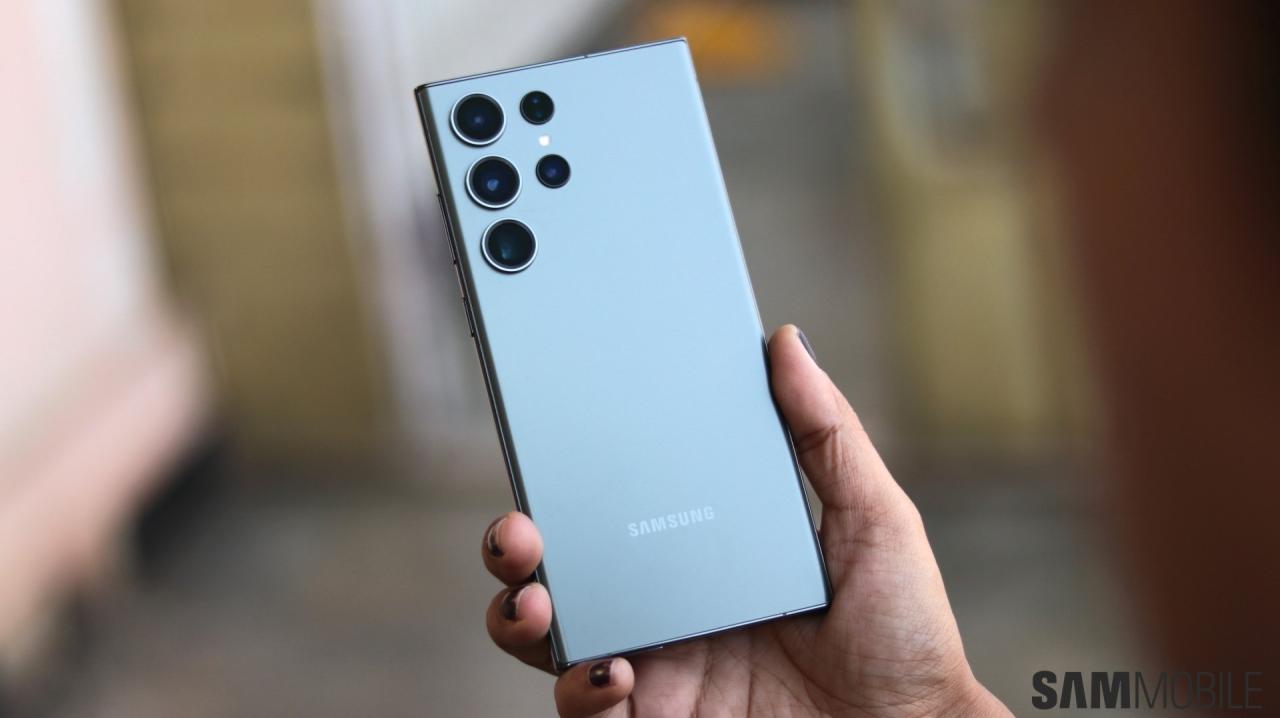
The Samsung Galaxy S II has garnered a wealth of user feedback since its launch, with many praising its innovative features and performance capabilities. Users have shared their hands-on experiences, providing insights into what makes this device a fan favorite, as well as the areas that fell short of expectations. By examining both the positive and negative aspects reported by users, we can gain a clearer understanding of the overall user experience.
User feedback highlights several key aspects of the Galaxy S II, encompassing performance, design, and usability. Users appreciate its sleek and lightweight design, which enhances portability and comfort during use. Additionally, the vibrant Super AMOLED display has received accolades for providing sharp and vivid visuals, making media consumption a pleasure. However, some users have reported issues related to battery life and software stability, which can detract from the overall experience.
User Insights on Performance
Users have consistently reported on the performance of the Galaxy S II, noting its processing speed and multitasking capabilities. Many have highlighted the following points regarding performance:
- Fast Processor: Equipped with a dual-core processor, users experience smooth performance, especially when launching apps and gaming.
- Efficient Multitasking: Users appreciate the ability to run multiple applications simultaneously without noticeable lag.
- Graphics Performance: The device’s GPU has been praised for delivering high-quality graphics in games and media.
Conversely, some users voiced concerns over performance issues such as:
- Occasional Lag: A subset of users experienced occasional lag, especially with resource-intensive applications.
- Software Updates: Some users expressed frustration with the delays in software updates impacting performance optimally.
Feedback on Design and Usability
The design and usability of the Galaxy S II stand out prominently in user reviews. Positive feedback often includes:
- Sleek and Lightweight: The device’s slim profile makes it easy to handle and carry.
- Super AMOLED Display: Users rave about the colorful and bright display, which enhances the viewing experience.
- User-Friendly Interface: The Android interface is generally considered intuitive and easy to navigate.
Nevertheless, some design-related critiques have emerged:
- Build Quality Concerns: Some users reported that the plastic exterior feels less premium compared to competitors.
- Accessibility Features: A few users found certain accessibility features lacking or difficult to use, impacting overall usability.
Expert Reviews Summary
Expert reviews of the Samsung Galaxy S II highlight its robust performance, appealing design, and user-friendly interface. Reviewers commonly emphasize:
- Performance: Experts note the impressive dual-core processor, which significantly enhances speed and efficiency.
- Design: The sleek, modern design is often cited as a major selling point, appealing to users who prioritize aesthetics.
- Usability: The Android OS, paired with Samsung’s TouchWiz interface, is praised for its ease of use and customization options.
Overall, while the Samsung Galaxy S II has received commendations for its performance and design, user experiences reveal a mixture of satisfaction and areas for improvement, particularly in battery longevity and build quality.
Technical Performance
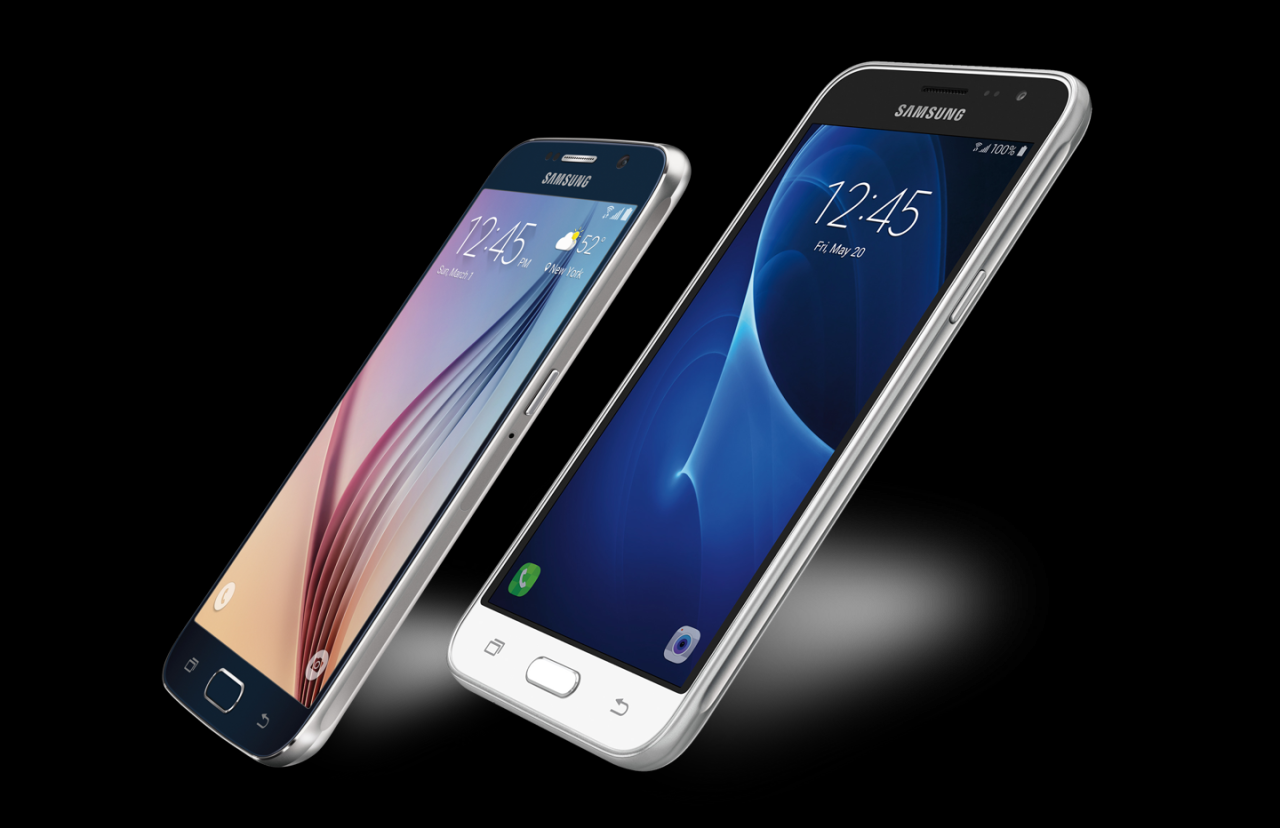
The Samsung Galaxy S II stands out in the smartphone landscape for its impressive technical performance, particularly during its release period. By integrating powerful hardware components and efficient software, this device set a benchmark for mobile technology that resonated with users and tech enthusiasts alike.
The Galaxy S II boasts a dual-core Exynos processor, which significantly enhances its processing power, enabling smooth multitasking and quick application launches. Coupled with 1GB of RAM, it effectively handles demanding applications and games, providing a fluid user experience. The performance metrics reflect its capabilities, often showcasing benchmark scores that were competitive against contemporaries. For instance, its score on popular benchmarking tools like AnTuTu often exceeded many previous generation devices, indicating that it was one of the leading smartphones of its time.
Processing Power and Battery Life
The processing power of the Galaxy S II is a critical aspect of its technical performance, allowing users to run multiple applications simultaneously without lag. This model features the Exynos 4210 SoC, a dual-core processor clocked at 1.2 GHz. This hardware advancement made the smartphone capable of handling heavy tasks like HD video playback and high-end gaming with relative ease.
The battery life, rated at 1650 mAh, supports the device’s performance by offering an average usage time of about a day under typical conditions. User reviews frequently highlight that with moderate usage, the battery can last longer, showcasing the efficiency of both hardware and software optimizations. The combination of hardware power and battery efficiency ensures that the Galaxy S II meets user expectations for performance, even with demanding tasks.
Graphics Capabilities Impacting Gaming and Multimedia
The graphics capabilities of the Galaxy S II are driven by the Mali-400 MP GPU, which enhances the overall multimedia experience. This GPU is instrumental in rendering high-quality graphics in games and video playback, making it a solid choice for gaming enthusiasts. The device supports 1080p video playback, ensuring smooth streaming and viewing experiences.
In practical terms, the graphics performance allows for detailed textures and vibrant colors in games like “Asphalt 7: Heat” and “Modern Combat 3,” which were popular during its era. Users often report that gaming on the Galaxy S II feels immersive due to the responsiveness and visuals provided by its GPU.
Performance Comparison with Newer Smartphone Models, Samsung galaxy s ii
When comparing the performance of the Galaxy S II with newer smartphone models, it becomes clear that while it was a pioneer, advancements in technology have since elevated the standard. Modern smartphones are equipped with octa-core processors, more RAM, and advanced GPUs that far surpass the capabilities of the Galaxy S II.
For instance, newer models like the Samsung Galaxy S21 utilize the Exynos 2100 or Snapdragon 888, featuring enhanced AI processing, superior graphics handling, and energy efficiency, which significantly improve overall user experience. In benchmarks, these newer devices often score several times higher than the Galaxy S II, reflecting advancements in architecture and processing speeds.
Despite being outclassed by contemporary devices, the Galaxy S II remains a notable example of early high-performance mobile technology. It exemplified how smartphones could integrate advanced features and deliver substantial performance, laying the groundwork for future innovations in the smartphone industry.
Software and Updates
The Samsung Galaxy S II was launched with Android 2.3 Gingerbread, a version noted for its performance improvements and a more refined user interface compared to its predecessors. Over its lifecycle, this smartphone received several major updates that enhanced its functionality and user experience, adapting to the rapidly evolving mobile landscape and user demands.
The Galaxy S II allowed for significant customization, enabling users to tailor their devices to personal preferences. This included various themes, widgets, and app functionalities which enhanced user interaction and overall satisfaction with the device. The ability to access the Google Play Store provided a wide range of apps and tools that further enriched the user experience.
Software Update Timeline
The following table Artikels the timeline of software updates for the Samsung Galaxy S II, highlighting the major features added with each version:
| Version | Release Date | Major Features |
|---|---|---|
| Android 2.3 Gingerbread | April 2011 | Improved performance, enhanced UI, and better battery management. |
| Android 4.0 Ice Cream Sandwich | March 2012 | Revamped interface, improved multitasking, and better notifications. |
| Android 4.1 Jelly Bean | October 2012 | Project Butter for smoother UI, Google Now integration, and expandable notifications. |
| Android 4.2 Jelly Bean | February 2013 | Photo Sphere, multi-user support, and enhanced accessibility features. |
The update to Android 4.0 marked a significant shift in the user experience, giving the device a modern look and feel, while the subsequent updates continued to enhance performance and usability.
“Regular software updates not only bring new features but also ensure that devices remain secure against emerging threats.”
Through these updates, Samsung aimed to maintain the Galaxy S II’s relevance in a competitive market, ensuring that users could enjoy new functionalities and an improved experience over the lifespan of their devices.
FAQ Explained: Samsung Galaxy S Ii
What was the launch year of the Samsung Galaxy S II?
The Samsung Galaxy S II was launched in 2011.
What operating system did the Galaxy S II originally run?
It originally ran on Android 2.3 Gingerbread.
Does the Samsung Galaxy S II support 4G networks?
No, the Samsung Galaxy S II does not support 4G; it operates on 3G networks.
What is the screen size of the Samsung Galaxy S II?
The screen size of the Samsung Galaxy S II is 4.3 inches.
Can the Samsung Galaxy S II be updated to newer Android versions?
Official updates ceased after Android 4.1 Jelly Bean, but unofficial ROMs may allow newer versions.
The Samsung Galaxy Note 7 made a significant impact in the smartphone market, known for its impressive display and advanced features. Despite its short-lived presence due to battery issues, it set a benchmark for future devices. Following this, the evolution continued with the release of newer models that pushed the boundaries of technology.
Transitioning from past innovations, the Samsung Galaxy Note10 emerged as a flagship device that redefined user experience with its sleek design and cutting-edge performance. Featuring an enhanced S Pen and powerful camera capabilities, the Note10 captures the essence of modern mobile technology while catering to the needs of productivity-focused users.