Chip iPhone stands as a testament to Apple’s relentless innovation in mobile technology. Over the years, the evolution of chip technology has dramatically influenced the performance and capabilities of iPhones, marking a journey from the original models to the cutting-edge devices we see today. From enhancing processing speeds to integrating sophisticated AI functionalities, the development of iPhone chips has not only redefined user expectations but also set new industry standards.
As we delve deeper into the various types of chips used in different iPhone models, it becomes clear that chip architecture plays a crucial role in boosting overall device performance. With every new generation, Apple unveils advanced features that enhance user experience, making the iPhone a leader in the competitive smartphone market.
Overview of iPhone Chips
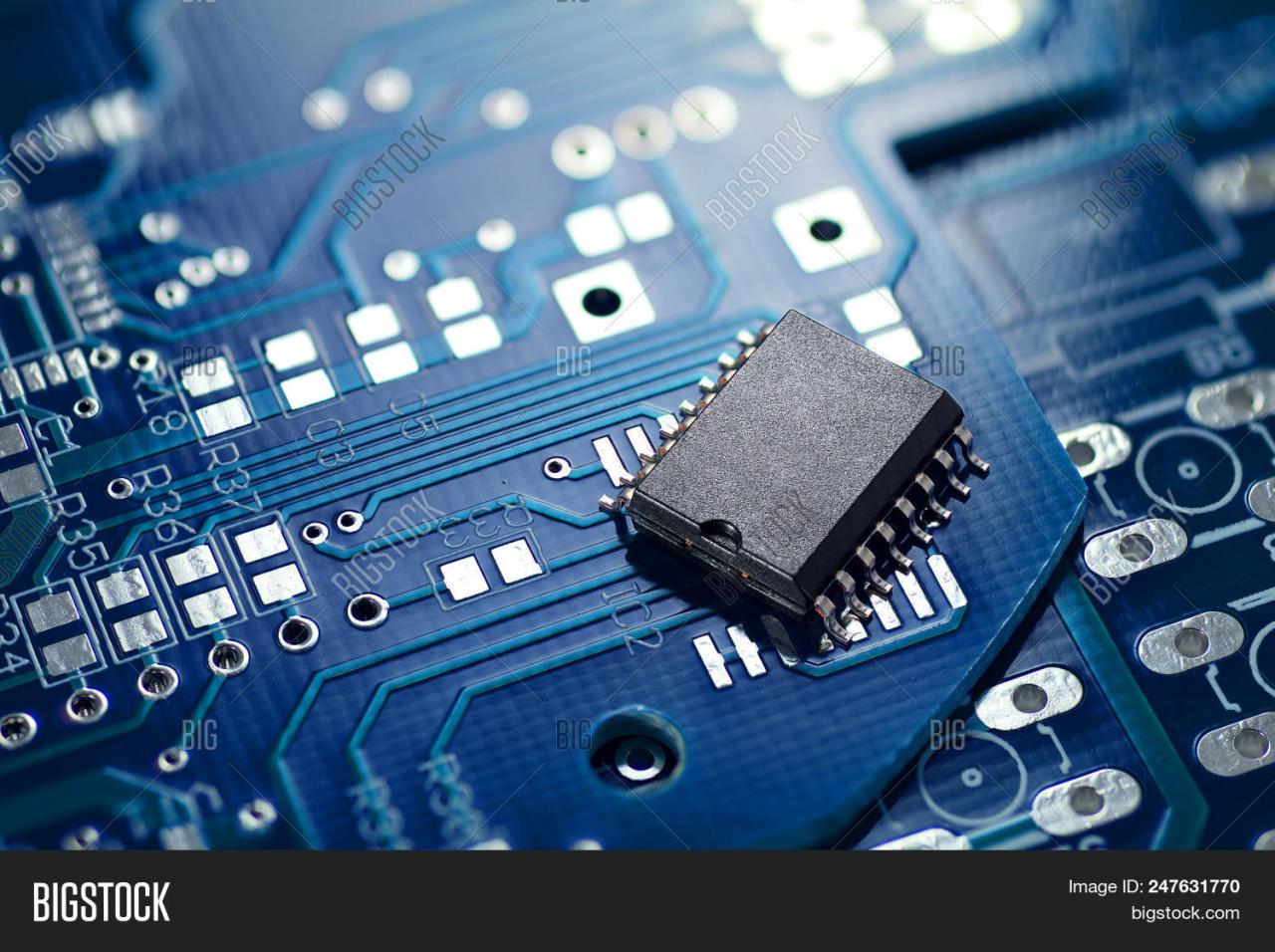
The iPhone’s journey has been significantly influenced by the evolution of its chip technology. Beginning with the original models, Apple has continuously innovated and refined its chipsets to enhance performance, efficiency, and user experience. Each iteration of the iPhone has brought advancements in processing power, graphics capabilities, and energy efficiency, showcasing Apple’s commitment to leading the smartphone industry through cutting-edge technology.
Apple’s iPhone chips have evolved from the initial A4 chip to the latest A16 Bionic chip used in recent models. This evolution has allowed the company to push the boundaries of mobile computing, leveraging custom-designed chips that integrate various functionalities into a single piece of silicon. The importance of chip architecture extends beyond mere performance; it directly impacts battery life, thermal management, and the overall user experience.
Types of Chips Used in iPhone Models
Understanding the different types of chips utilized in various iPhone models provides insight into their capabilities and advancements over the years. Apple has developed a diverse range of chipsets, each tailored to meet the demands of contemporary mobile technology. The major chip categories include:
- A Series Chips: The core processing units for iPhones, beginning with the A4 in the iPhone 4 and evolving to the A16 Bionic in the iPhone 14 Pro models. These chips integrate CPU, GPU, and machine learning capabilities, significantly enhancing performance and efficiency.
- Secure Enclave: A dedicated chip integrated into A series chips that handles sensitive tasks such as encryption, biometric authentication, and Apple Pay transactions, ensuring enhanced security.
- Image Signal Processor (ISP): A crucial component in modern iPhones responsible for processing images captured by the camera, improving quality and enabling advanced features like Night mode and Smart HDR.
- Neural Engine: Introduced with the A11 Bionic chip, this specialized processor is designed for machine learning tasks, allowing for smarter Siri responses, improved photography effects, and enhanced app experiences.
The implementation of these chips has been integral in differentiating iPhone models within a competitive market. Each new chip generation not only boosts performance metrics but also enhances functionalities critical to user engagement and satisfaction.
“Apple’s chips are the backbone of its iPhone ecosystem, integrating hardware and software to create seamless user experiences.”
Advancements in chip architecture have led to reduced power consumption, thermal efficiency, and increased processing speeds, reflecting Apple’s strategy to provide users with devices that perform exceptionally while maintaining battery life. Each new chip release is accompanied by demonstrations of real-world applications, such as improved gaming graphics and faster app launches, showcasing the tangible benefits of these innovations to end-users.
Features and Capabilities of iPhone Chips
The performance and capabilities of iPhone chips play a significant role in the overall user experience, impacting everything from app performance to battery life. Apple’s A-series chips, renowned for their efficiency and power, are consistently at the forefront of mobile technology, pushing boundaries with each new release. This section explores the performance metrics of the latest A-series chips, the integration of artificial intelligence and machine learning, and a comparison of battery efficiency across various generations.
Performance Metrics of the Latest A-Series Chips
The latest A-series chips, such as the A16 Bionic, demonstrate remarkable performance capabilities that set new industry standards. With a focus on high processing power and energy efficiency, these chips utilize a 4-nanometer process technology that enhances performance while minimizing power consumption.
The A16 Bionic chip features a 6-core CPU, including 2 high-performance cores and 4 efficiency cores, which collectively provide up to 40% faster performance compared to its predecessor. Additionally, the 5-core GPU allows for stunning graphics rendering, making it ideal for gaming and high-definition applications. The chip’s architecture also supports advanced image processing, enabling features like Photonic Engine for improved low-light photography.
The A16 Bionic chip delivers a performance improvement of up to 40% over previous generations, enhancing user experience significantly.
Integration of AI and Machine Learning Capabilities, Chip iphone
The integration of AI and machine learning capabilities in newer iPhone chips is transforming the way users interact with their devices. The A-series chips are equipped with a dedicated Neural Engine that accelerates machine learning tasks, enabling real-time processing of complex algorithms.
For instance, the A16 Bionic chip features a 16-core Neural Engine capable of performing up to 17 trillion operations per second. This powerful feature allows for advanced functionalities such as improved facial recognition, real-time language translation, and personalized app experiences. The AI capabilities also extend to photographic enhancements, enabling Smart HDR and advanced image segmentation.
The A16’s Neural Engine processes up to 17 trillion operations per second, enhancing AI-driven functionalities on the device.
Comparison of Battery Efficiency Across Chip Generations
Battery efficiency is a crucial factor that influences user satisfaction and device longevity. Apple continually strives to enhance the power efficiency of its chips while maintaining top-tier performance. A comparison of battery efficiency across various iPhone chip generations illustrates this progression.
The following table Artikels the battery efficiency improvements observed in recent A-series chips:
| Chip Model | Process Technology | Battery Life Improvement |
|---|---|---|
| A14 Bionic | 5nm | Up to 20% better than A13 |
| A15 Bionic | 5nm | Up to 15% better than A14 |
| A16 Bionic | 4nm | Up to 20% better than A15 |
The advancements in chip architecture and manufacturing processes have led to significant gains in battery efficiency, allowing users to enjoy longer usage times without compromising performance. This continuous improvement reflects Apple’s commitment to delivering devices that not only excel in functionality but also in power management, ensuring that users can rely on their iPhones throughout the day.
Impact of Chips on iPhone Functionality
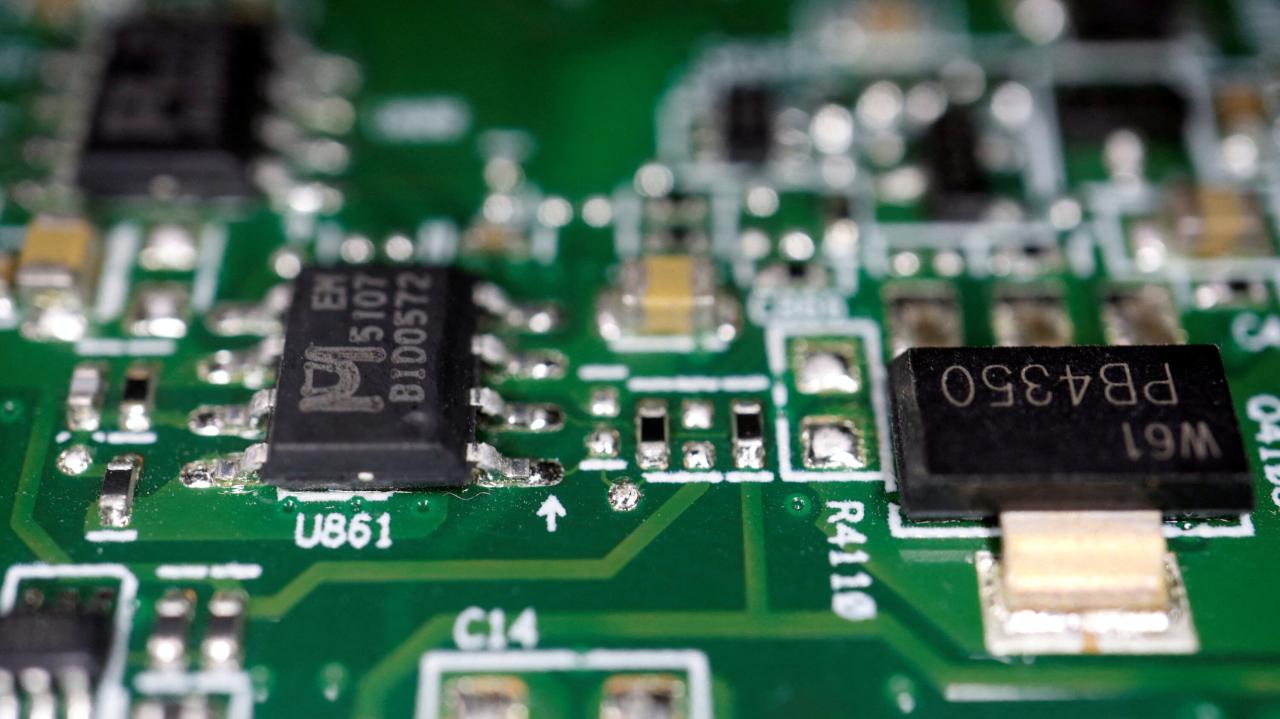
The advancements in chip technology have drastically transformed how iPhones function, enhancing their capabilities in various domains. The integration of powerful chips not only boosts performance but also plays a vital role in areas such as camera quality, security, and overall efficiency of applications. Understanding these impacts is crucial for appreciating the evolution of iPhones.
Camera Quality Enhancements
Recent iPhone models have showcased remarkable improvements in camera technology, predominantly driven by advancements in chip design. The A-series chips, like the A15 and A16 Bionic, incorporate specialized image signal processors (ISPs) that significantly enhance photography and videography.
One of the primary contributions of these chips is in computational photography, which leverages machine learning to optimize image quality. This includes capabilities such as Smart HDR, Night mode, and improved low-light performance. Through advanced algorithms, these chips can analyze scenes and adjust exposure, color balance, and sharpness in real-time.
Additionally, chips facilitate faster processing speeds for image rendering and video encoding, allowing users to capture high-resolution photos and 4K videos without lag. The integration of Neural Engine also enables advanced features like Portrait mode and enhanced facial recognition during photography, delivering professional-grade results even in challenging conditions.
Device Security and Data Protection
The role of chips in enhancing device security and data protection cannot be overstated. Apple has implemented a Secure Enclave within its chips, which provides a dedicated environment for sensitive operations such as biometric authentication and secure transactions.
This hardware-based approach ensures that personal data, like fingerprints and facial recognition data, is stored securely, making it nearly impossible for unauthorized access. Moreover, the chips are designed to support advanced encryption protocols that safeguard user data during transmission and storage.
The integration of the A-series chips with iOS also enables features like Activation Lock and Find My iPhone, which help protect devices from theft and unauthorized use. Continuous updates and security patches further enhance the resilience of iPhones against potential threats, ensuring user data remains secure.
Table: Relationship Between Chip Capabilities and App Performance
The following table Artikels how various chip capabilities influence app performance in iPhones, demonstrating the synergy between hardware advancements and software efficiency:
| Chip Capability | Impact on App Performance |
|---|---|
| Multi-core Processing | Enables smooth multitasking and faster app launches. |
| Neural Engine | Accelerates AI-based tasks, enhancing features like voice recognition and image analysis. |
| Improved GPU | Enhances graphics performance for gaming and high-definition video playback. |
| Energy Efficiency | Increases battery life, allowing apps to run longer without draining power. |
| Dedicated ISP | Improves camera app functionalities, enabling features like 4K video recording and real-time image processing. |
Future of iPhone Chips: Chip Iphone
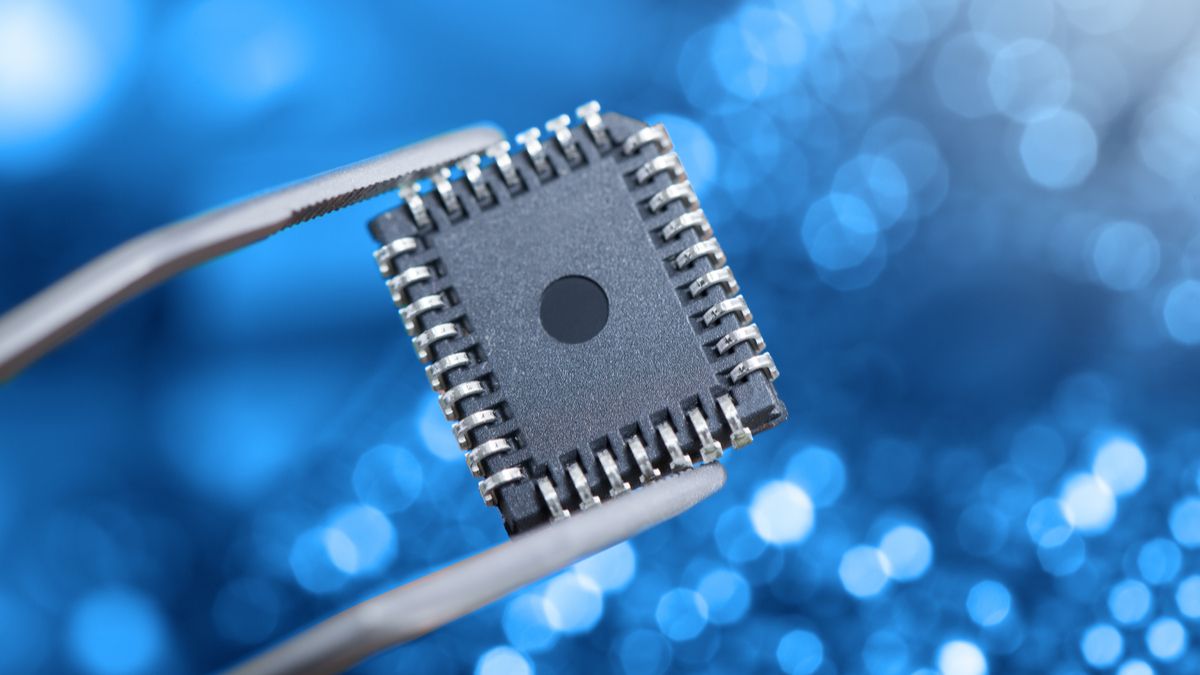
The future of iPhone chips promises a landscape rich with innovation, shaped by advancements in technology and a growing demand for enhanced performance. As Apple continues to refine its chip architecture, the integration of new features and capabilities will play a crucial role in delivering exceptional user experiences in upcoming iPhone models.
Anticipated innovations in iPhone chip technology are set to revolutionize how devices operate and interact with their environments. The next generation of A-series chips is expected to incorporate more advanced manufacturing processes, such as 3nm technology, which will improve power efficiency and performance. Moreover, enhancements in AI processing capabilities will enable more sophisticated machine learning applications, further elevating the user experience across various applications, from photography to augmented reality.
Impact of 5G Technology on Chip Design
The advent of 5G technology has significant implications for future chip design and functionality. With its high-speed connectivity and low latency, 5G will require chips that can handle increased data throughput and support enhanced features. As a result, Apple may need to develop specialized modems integrated within their chipsets to optimize performance.
The implications of 5G on chip design include:
- Improved Data Processing: Future iPhone chips will need to efficiently manage larger volumes of data, enabling seamless streaming and real-time applications.
- Enhanced Battery Life: Innovations in chip design will focus on power management to mitigate the higher energy demands associated with 5G connectivity.
- Advanced Security Features: As 5G opens up new avenues for connectivity, chips will incorporate enhanced security measures to protect user data.
- Support for IoT Integration: Future chips will likely feature capabilities that allow seamless integration with a broader ecosystem of Internet of Things (IoT) devices.
- Dynamic Network Switching: Chips may be designed to intelligently switch between 5G, 4G, and Wi-Fi networks, optimizing connectivity based on user needs.
Challenges in Chip Development
Despite the promising advancements in chip technology, Apple faces several challenges in chip development moving forward. The complexity of designing chips that meet evolving user demands while maintaining performance standards is significant.
Key challenges include:
- Supply Chain Constraints: Global semiconductor shortages can hinder production capabilities, impacting the availability of new iPhone models.
- Technological Advancements: Keeping pace with rapid technological changes in chip design and manufacturing processes requires substantial investment and innovation.
- Competition: The semiconductor industry is highly competitive, with other manufacturers continuously developing more advanced technology that Apple must strive to surpass.
- Environmental Regulations: Increasingly stringent regulations on manufacturing processes and materials necessitate sustainable practices in chip development.
- Integration of New Technologies: Incorporating new technologies, such as AI and machine learning, into existing chip architectures poses significant engineering and design challenges.
Top FAQs
What is the significance of A-series chips in iPhones?
The A-series chips are crucial as they provide the processing power and efficiency that enhance the overall performance and capabilities of iPhones.
How do iPhone chips impact battery life?
Advancements in chip technology improve battery efficiency by optimizing performance, thus extending the overall battery life of devices.
Will future iPhones support 5G technology?
Yes, future iPhones are expected to incorporate 5G capabilities, allowing for faster data speeds and improved connectivity.
How do chips affect camera performance in iPhones?
Chip advancements enable better image processing and machine learning capabilities, significantly enhancing camera quality and features.
What challenges might Apple face in developing new chips?
Apple may encounter challenges such as technological limitations, supply chain issues, and the need for constant innovation to stay ahead of competitors.
The Samsung Galaxy S10+ stands out with its stunning display and powerful performance, making it a favorite among tech enthusiasts. With features like a triple camera system and long-lasting battery, it captures moments beautifully while keeping you connected throughout the day. Its sleek design and cutting-edge technology truly set it apart in the smartphone market.
When we think of revolutionary smartphones, the Samsung Note7 often comes to mind despite its controversial history. Launched with impressive features such as an S Pen and a vibrant display, it was designed for productivity and creativity. However, its battery issues led to a significant recall, reminding us of the importance of safety in innovation.