samsung galaxy note 7 stands as a remarkable testament to innovation in the smartphone industry, showcasing cutting-edge features and design elements that set it apart from its competition. With its sleek aesthetics and powerful capabilities, the Note 7 captured the attention of tech enthusiasts and everyday users alike, making waves in the mobile market.
Featuring a stunning display, robust performance, and advanced multitasking functionalities, the Samsung Galaxy Note 7 offered users an unparalleled experience. However, the device also faced notable controversies that would ultimately shape its legacy and impact consumer trust in technology brands.
Product Overview
The Samsung Galaxy Note 7, launched in 2016, represented a significant evolution in Samsung’s flagship lineup. With its cutting-edge technology and refined design, the Note 7 was aimed at power users seeking a premium smartphone experience. It combined productivity features with high-end specifications to cater to both personal and professional needs.
The Galaxy Note 7 distinguished itself through a range of key features that enhanced both usability and performance. These included the S Pen stylus, which allowed for precise input and creative functionality, and a vibrant display that provided an immersive viewing experience. The device’s design elements, such as its curved edges and sleek glass finish, not only offered aesthetic appeal but also contributed to a more ergonomic grip.
Key Features
Several standout features defined the Samsung Galaxy Note 7, making it an attractive option for tech enthusiasts:
- S Pen Integration: The Note 7’s S Pen was waterproof and featured enhanced pressure sensitivity, allowing users to jot down notes or create sketches effortlessly.
- Display: A stunning 5.7-inch Quad HD Super AMOLED display offered vibrant colors and deep blacks, making it ideal for media consumption and productivity tasks.
- Camera Capabilities: Equipped with a 12MP rear camera and a 5MP front camera, the Note 7 provided excellent photographic capabilities, even in low-light conditions.
- Battery and Charging: The device housed a robust 3,500mAh battery and supported fast charging, both wired and wireless, ensuring minimal downtime for users on the go.
- Security Features: The Note 7 was one of the first devices to include iris scanning technology, adding an extra layer of security alongside fingerprint recognition.
Design Elements
The design of the Samsung Galaxy Note 7 was a blend of style and functionality, setting it apart in the crowded smartphone market.
The device featured a seamless glass and metal body, offering a premium feel while enhancing durability. Its curved edges not only added to its aesthetic appeal but also facilitated a comfortable grip. The placement of the S Pen was cleverly integrated into the device, allowing for easy access without compromising the phone’s sleek design.
Additionally, the Note 7 was available in a variety of colors, including Coral Blue, Gold Platinum, and Silver Titanium, catering to diverse consumer preferences. The IP68 rating for water and dust resistance further ensured that users could enjoy their device without worry in various environments.
Specifications and Technical Capabilities
The technical specifications of the Samsung Galaxy Note 7 highlighted its prowess as a leading smartphone at the time of its release.
Key specifications included:
- Processor: Powered by the Exynos 8890 or Qualcomm Snapdragon 820, depending on the region, the Note 7 delivered fast and efficient performance.
- RAM and Storage: It came with 4GB of RAM and offered storage options of 64GB, expandable via microSD card up to 256GB.
- Operating System: Initially launched with Android 6.0 Marshmallow, it provided a smooth user experience with a user-friendly interface.
- Connectivity: The device supported 4G LTE, Wi-Fi, Bluetooth 4.2, and NFC, ensuring versatile connectivity options for users.
- Audio Features: It also featured high-quality audio capabilities with stereo speakers and support for high-resolution audio playback.
User Experience
The Samsung Galaxy Note 7 was designed to enhance user experience through its intuitive software interface, powerful performance, and impressive battery longevity. As a flagship device of its time, it aimed to provide seamless functionality for both casual users and tech enthusiasts.
The software interface of the Note 7 features Samsung’s TouchWiz UI, which offers a clean and user-friendly layout. The integration of the S Pen adds unique functionalities, such as Air Command and Screen Off Memo, allowing users to quickly jot down notes or navigate without unlocking the device. This enhances multitasking abilities, providing a smooth transition between apps and features.
Performance in Various Tasks
The Galaxy Note 7 is equipped with the Exynos 8890 or Snapdragon 820 processor, depending on the region, ensuring top-tier performance. Users experience smooth operation whether multitasking between applications or playing graphics-intensive games.
The device’s 4GB RAM allows for efficient app management, preventing slowdowns even with multiple applications open simultaneously. This robust performance is complemented by a refined software optimization, which ensures that tasks such as video editing, gaming, and heavy web browsing are handled effortlessly.
Key performance highlights include:
- Fast app launch times, minimizing wait periods.
- Smooth graphics rendering during gaming, providing an immersive experience.
- Efficient multitasking capabilities, allowing users to switch between apps with ease.
- Responsive touch sensitivity, enhancing overall usability.
Battery Life Comparison, Samsung galaxy note 7
The Galaxy Note 7 comes with a 3,500 mAh battery, which was competitive among flagship smartphones released in 2016. The battery life is optimized to last throughout the day under typical usage conditions, including browsing, streaming, and gaming.
When compared to contemporaries such as the iPhone 7 and Google Pixel, the Note 7 holds its ground well:
- The iPhone 7 features a 1,960 mAh battery, offering a full day of usage but often requiring a mid-day charge for heavy users.
- The Google Pixel sports a 2,770 mAh battery, providing decent longevity that rivals the Note 7 but often falls short in heavy multitasking scenarios.
With features like fast charging and wireless charging capabilities, users can quickly recharge their devices, making the Note 7 a practical choice for busy lifestyles.
“With efficient battery management, the Galaxy Note 7 allows users to navigate their day without worrying about power constraints.”
Controversies and Issues
The launch of the Samsung Galaxy Note 7 marked a significant moment in the tech industry, but it quickly descended into controversy due to serious safety concerns. The device’s battery issues led to a major recall, impacting not only consumer safety but also Samsung’s brand reputation on a global scale. Understanding these controversies is essential to grasp the complete narrative surrounding the Note 7.
The battery issues were rooted in the lithium-ion technology used in the Note 7. Reports began surfacing shortly after the phone’s release in August 2016, indicating that the device’s batteries were prone to overheating and, in some cases, even catching fire. The problem was attributed to manufacturing defects, where the batteries were either overcharged or had design flaws that made them unstable. As a result, Samsung initiated a recall of approximately 2.5 million units to address these safety concerns. However, the replacement devices also exhibited similar overheating problems, prompting a second recall and ultimately leading to the discontinuation of the Galaxy Note 7 altogether.
Impact on Brand Reputation
The repercussions of the Note 7 controversies were profound, facing Samsung with a significant crisis in brand reputation. Prior to these events, Samsung was perceived as a leader in innovation and quality within the smartphone market. However, the incidents surrounding the Note 7 resulted in a series of negative perceptions.
The fallout included:
- Loss of consumer trust: Many users expressed hesitancy to purchase Samsung devices following the Note 7 incidents, fearing similar safety issues.
- Financial impact: The company reported a loss of over $5 billion in profit due to the recalls and the subsequent halt of the device’s production.
- Legal ramifications: Samsung faced multiple lawsuits from consumers and regulatory agencies, further complicating its situation.
- Market share decline: Competitors seized the opportunity to capture market share during Samsung’s troubled period, impacting the company’s overall standing in the mobile industry.
Measures Taken by Samsung
In response to the crises surrounding the Note 7, Samsung implemented several measures aimed at restoring consumer confidence and ensuring safety in future products. The company recognized the gravity of the situation and took proactive steps to address the issues.
Key measures included:
- Comprehensive investigation: Samsung conducted an extensive investigation into the battery issues, collaborating with independent experts to identify the root causes.
- Enhanced safety protocols: The company introduced an eight-point battery safety check, which became part of its quality assurance process for future devices.
- Consumer communications: Samsung engaged in transparent communication with customers, providing regular updates regarding the recall process and safety measures.
- Commitment to innovation: To regain market trust, Samsung focused on delivering new technology and features in subsequent models, such as the Galaxy S8, which was well received and praised for its safety improvements.
Through these initiatives, Samsung aimed to rehabilitate its image and reassure consumers of its commitment to safety and quality in its products.
Legacy and Influence: Samsung Galaxy Note 7
The Samsung Galaxy Note 7, despite its tumultuous history, has left an indelible mark on the smartphone landscape. Its innovative features and the ensuing safety controversies have shaped both consumer expectations and manufacturer responses in the years that followed. This device not only demonstrated the potential of premium smartphone technology but also highlighted the critical importance of safety and reliability in consumer electronics.
The impact of the Galaxy Note 7 on future smartphone designs is multifaceted, influencing everything from hardware design to safety protocols. Manufacturers have been compelled to reassess their approach to battery technology, materials, and quality control to prevent similar issues. The lessons learned from the Note 7 incident now serve as a benchmark for the industry.
Impact on Smartphone Design and Features
The Note 7’s features, such as the large Infinity Display, S Pen functionality, and water resistance, set a new standard for subsequent smartphones, especially within Samsung’s own Galaxy lineup. Noteworthy advancements include:
- Infinity Display: The immersive edge-to-edge screen introduced in the Note 7 became a hallmark of later models, enhancing the visual experience and interactivity.
- S Pen Enhancements: The S Pen’s improved sensitivity and functionality were further developed in later Galaxy Note versions, providing users with advanced capabilities for creativity and productivity.
- Water Resistance: The Note 7’s IP68 rating for water and dust resistance has become a common feature in flagship smartphones, ensuring durability under various conditions.
Additionally, the incident prompted a shift in how manufacturers prioritize safety in battery technology. The rigorous testing protocols established post-Note 7 have led to more robust and reliable smartphone batteries, influencing designs across the board.
Long-term Effects on Consumer Trust
The long-term implications of the Note 7 incident on consumer trust in technology companies are profound. The crisis not only affected Samsung’s reputation but also instigated widespread scrutiny of the entire industry’s commitment to safety and quality assurance.
Consumers have become more vigilant, seeking transparency and accountability from manufacturers. The incident prompted several key changes in consumer behavior:
- Increased Research: Consumers now conduct thorough research before purchasing devices, focusing on battery safety, recall history, and manufacturer reliability.
- Brand Loyalty Shifts: While Samsung has worked hard to rebuild trust, many consumers have diversified their brand preferences, exploring alternatives that prioritize safety and quality.
- Regulatory Changes: The incident has led to increased scrutiny from regulatory bodies, pushing manufacturers to adhere to stricter safety protocols and transparency in manufacturing processes.
“The Galaxy Note 7 incident remains a pivotal moment in mobile technology, redefining safety standards and consumer expectations.”
Q&A
What makes the Samsung Galaxy Note 7 stand out?
The Samsung Galaxy Note 7 is distinguished by its large, vibrant display, S Pen functionality, and premium design, offering a unique user experience compared to other smartphones.
Was the battery issue a widespread problem?
Yes, the battery problems that led to the recall of the Note 7 were significant and affected a substantial number of devices, prompting Samsung to take swift action.
How did the Note 7 influence future Samsung models?
The features of the Note 7, especially its design and S Pen capabilities, inspired enhancements in subsequent models, improving user experience and functionality.
What steps did Samsung take after the recall?
Samsung implemented rigorous quality control measures and improved battery safety protocols to restore consumer trust and prevent future incidents.
How does the Note 7’s legacy impact consumer trust today?
The controversies surrounding the Note 7 have led to increased scrutiny of smartphone safety, impacting consumer perceptions regarding brand reliability and product safety across the industry.
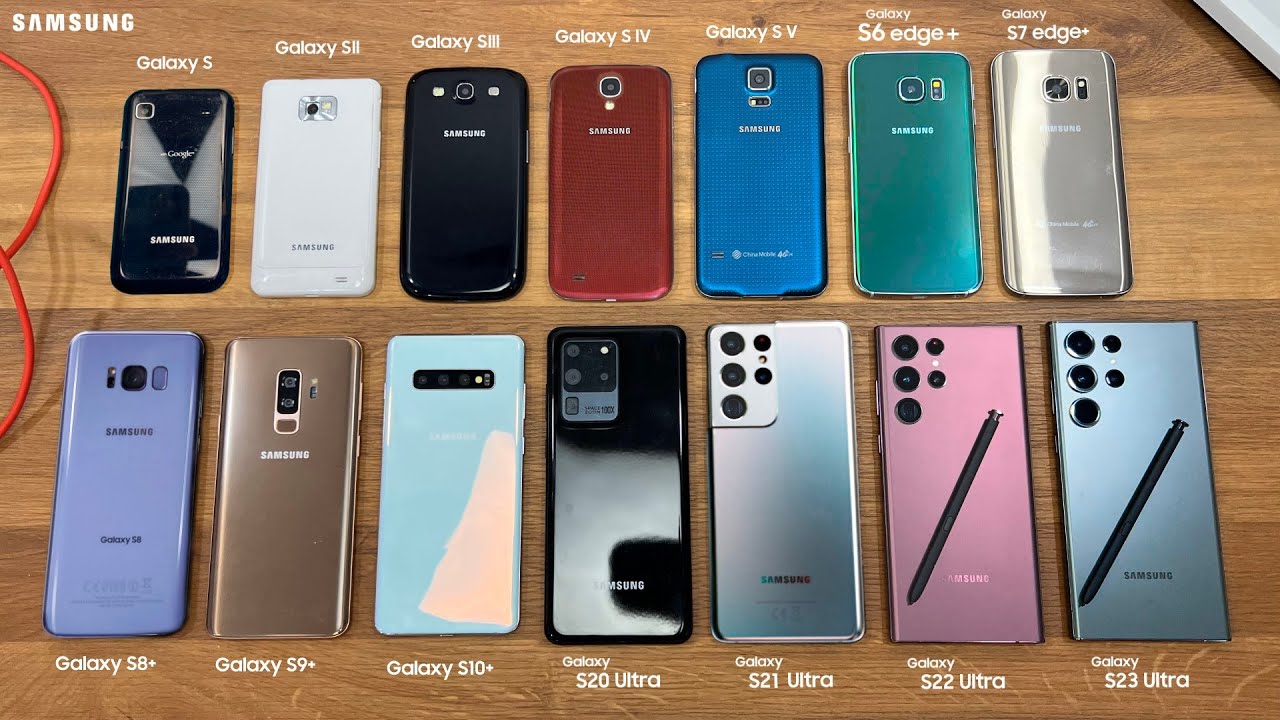
The Samsung Galaxy S II marked a significant milestone in smartphone evolution with its sleek design and powerful performance. Its vibrant display and impressive camera capabilities made it a favorite among users, setting a high standard for future models. This device not only offered innovative features but also laid the groundwork for Samsung’s subsequent successes in the smartphone market.
Following the success of the S II, the Galaxy Note 2 brought a larger screen and enhanced functionality that catered to productivity enthusiasts. With its S Pen feature, users could effortlessly navigate tasks and take notes, blending the lines between a smartphone and a tablet. This model further solidified Samsung’s reputation for pushing boundaries and meeting diverse consumer needs in the tech landscape.